


Walk, Swing, Repeat: Understanding and Overcoming Golf Injuries
Golf does not look like a sport that breaks people, yet the tournament withdrawal list — and your body after a day at the links — tells a very different story. Golf puts stress on the body from two separate sources. First, the golf swing is a violent rotational movement repeated dozens of times per round, placing significant rotational load on muscles and joints. Second, walking the golf course covers 4 to 8 miles and 10,000 to 14,000 steps in a single day. Neither factor is dangerous on its own, but together, they can lead to real problems down the line.
According to a 2024 British Journal of Sports Medicine article, more than half of all golfers face a musculoskeletal injury in their lifetime, including 73.5% of professionals and 56.6% of amateurs. Most golf injuries are overuse injuries that build up gradually across a season rather than single traumatic events.
With the FedEx Cup Playoffs on the horizon, repetitive strain now deep in the season may have some pros worrying about the tour withdrawal sheet.
The Low Back
A golf swing continuously loads the lumbar spine through extreme rotation, side bending, and compression, meaning back pain and strains are incredibly common in the sport. Repeating this movement hundreds of times a week turns a manageable ache into golf back pain severe enough to force a withdrawal from a tournament, a problem exacerbated by carrying a heavy bag.
Low back injuries account for 15% to 34% of all golf injuries, representing the highest percentage of any body area. In fact, one major championship study placed lumbar spine injuries specifically at 27%.
Back injuries have driven a steady run of high-profile tour withdrawals this season. Collin Morikawa pulled out of THE PLAYERS Championship after just one hole, Jason Day withdrew from the U.S. Open at Shinnecock Hills, Patton Kizzire withdrew from the 3M Open after the opening round, and Stephan Jaeger withdrew from the Charles Schwab Challenge.
Common Causes
-
Repeated rotation and side bending
-
High swing volume
-
Carrying a heavy golf bag
-
Limited hip mobility forcing the back to compensate
For targeted relief and support against back strain, the Incrediwear Back Brace serves as an ideal choice, while the Incrediwear Body Sleeve offers versatile coverage for surrounding core tension. Explore all back support options.
Golfer's Elbow
Technically known as medial epicondylitis, golfer's elbow is a form of tendonitis characterized by joint pain on the inside of the elbow where forearm tendons attach. It is primarily triggered by repeated gripping and wrist flexion.
Elbow issues account for 7% to 27% of golf injuries, with amateur players suffering from them far more frequently than tour professionals.
Common Causes
-
Heavy range sessions
-
Hitting behind the ball ("fat" shots)
-
Taking deep divots
-
Excess grip pressure
-
Practicing off hard synthetic mats rather than natural turf
Golfer's Elbow vs. Tennis Elbow
While they might seem like the same thing, Golf and Tennis Elbow are distinct repetitive strain injuries.Golfer's elbow affects the inner side of the joint (medial), whereas tennis elbow affects the outer side (lateral). Golfers can experience both, with the lead arm typically showing symptoms first.
Golf (or tennis) elbow can linger because tendons have limited natural blood flow compared to muscle tissue, causing them to recover far more slowly. Consequently, elbow pain often persists across an entire season rather than resolving in a week. If you are noticing flare-ups, examine your range practice habits before making sudden swing changes.
To support elbow recovery and improve range of motion, consider the Incrediwear Elbow Sleeve or the full-arm coverage of the Incrediwear Arm Sleeve.
The Wrist and Hand
The wrist absorbs whatever impact energy the golf club fails to dissipate. As a result, wrist issues represent the professional counterpart to the amateur's elbow troubles. Wrist pain from golf, along with hand strain, stems directly from high impact forces and excessive grip pressure.
Research indicates that the wrist accounts for roughly 10% to 22% of golf injuries depending on the study, with wrist injury in professional golf reported as high as 54%.
PGA Tour player Jake Knapp has dealt with a left wrist injury that first flared up at the end of April, leading to withdrawals from the PGA Championship due to a thumb sprain and later from the Memorial at Muirfield Village.
Common Causes
-
Hard impact with the ground or turf
-
Hitting out of thick rough
-
High practice swing volume
-
Overly tight grip pressure
The Incrediwear Wrist Sleeve may be worn to help prevent sprain or injury, while Incrediwear Fingerless Circulation Gloves help ease hand and grip discomfort without sacrificing feel.
The Shoulder
In golf, the lead shoulder travels the furthest distance of any joint during the swing, enduring substantial rotational strain at the top of the backswing and through impact. Golf shoulder pain often develops quietly over time and is frequently misdiagnosed as back or elbow trouble.
It’s estimated that up to 18% of golf injuries are shoulder related.
Common Causes
-
Repeated overhead rotation
-
Excessive practice volume
-
Reduced shoulder mobility
-
Compensating for a stiff thoracic spine
Targeted options like the Incrediwear Shoulder Brace and Incrediwear Arm Sleeve help manage localized soreness and support recovery during and after play.
The Hips and Knees
The lower body serves as the anchor that absorbs ground force during a swing, placing significant stress on the lead knee and trail hip. Walking several miles compounds this stress, meaning hips and knees take a beating from both swing dynamics and course navigation.
Common Causes
-
Rapid rotation through a planted lead leg
-
Repeated weight shifting
-
Navigating uneven or hilly terrain
-
Walking 18 holes on top of high swing counts
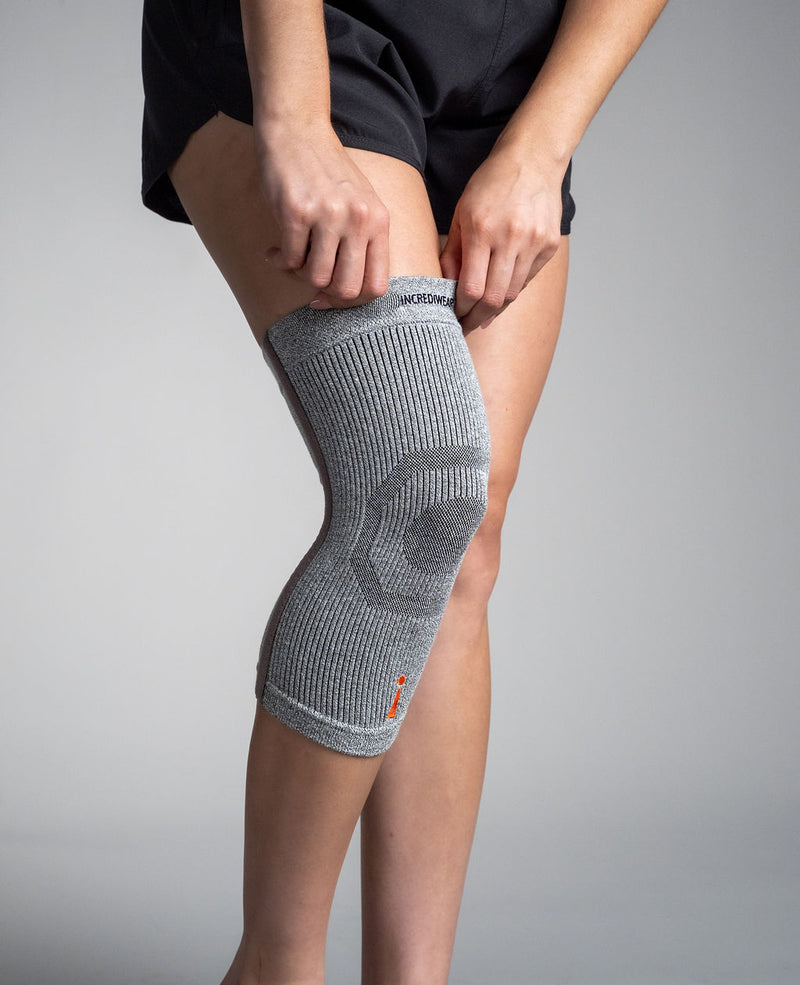
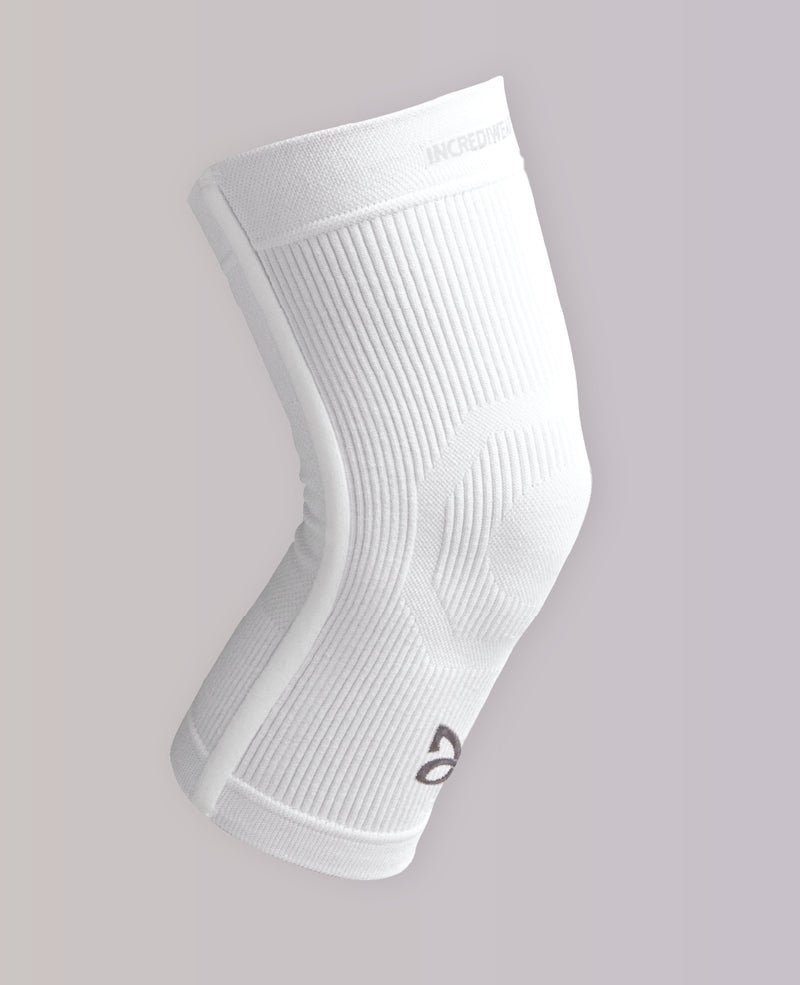
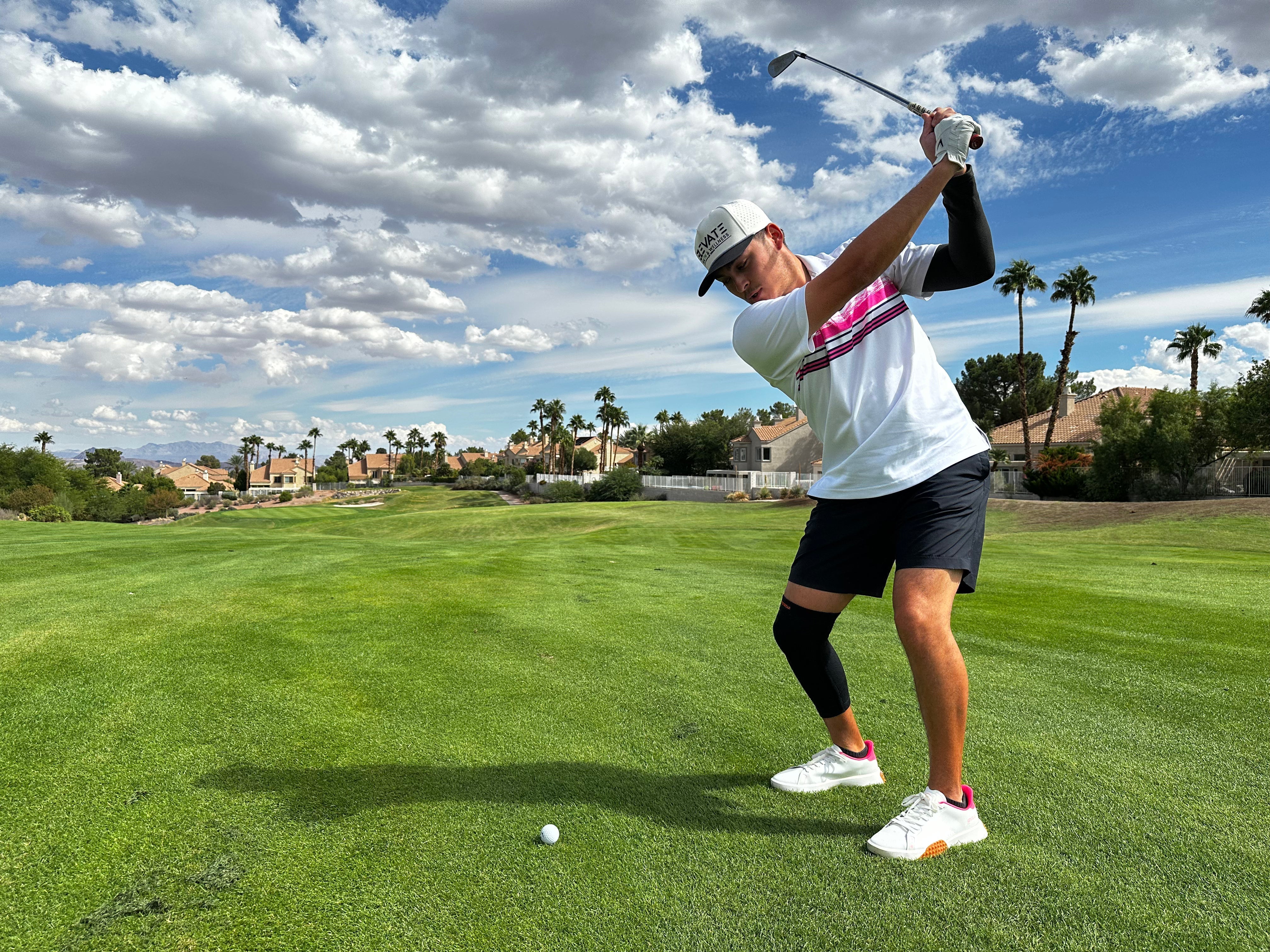
Golf knee pain and hip discomfort demonstrate how playing and walking combine to strain lower body joints across a long season. To ease pain and speed recovery, the Incrediwear Knee Sleeve and Incrediwear Hip Brace help support these high-load areas.
The Feet and Legs
Foot and leg strain is frequently overlooked in golf discussions, yet anyone who walks the course understands its impact. Spending hours on foot over soft, uneven ground leads to lower leg muscle fatigue and soreness, which directly harms back-nine performance. Conditions like plantar fasciitis, along with general leg swelling, are common consequences.
During an 18-hole round, most golfers walk 4 to 6 miles and log 10,000 to 14,000 steps. Furthermore, studies show that walking while carrying a bag burns roughly 1,442 calories across a full round.
Common Causes
-
Extended hours on your feet
-
Soft, hilly, or uneven terrain
-
Carrying a heavy golf bag
-
Worn-out or unsupportive footwear
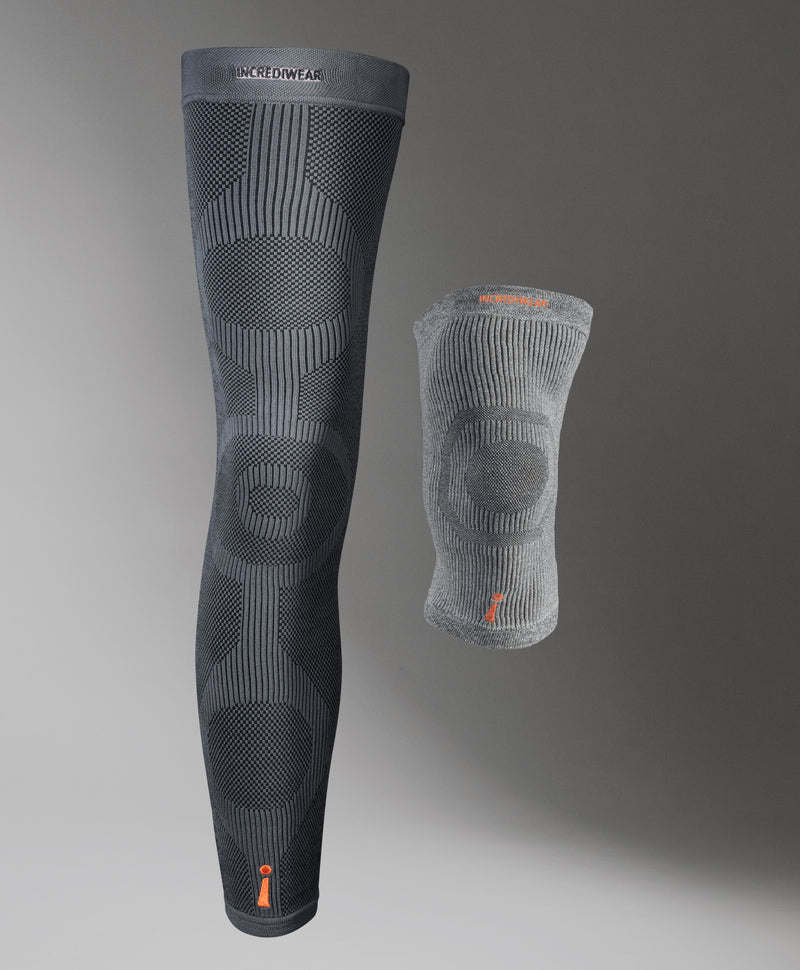
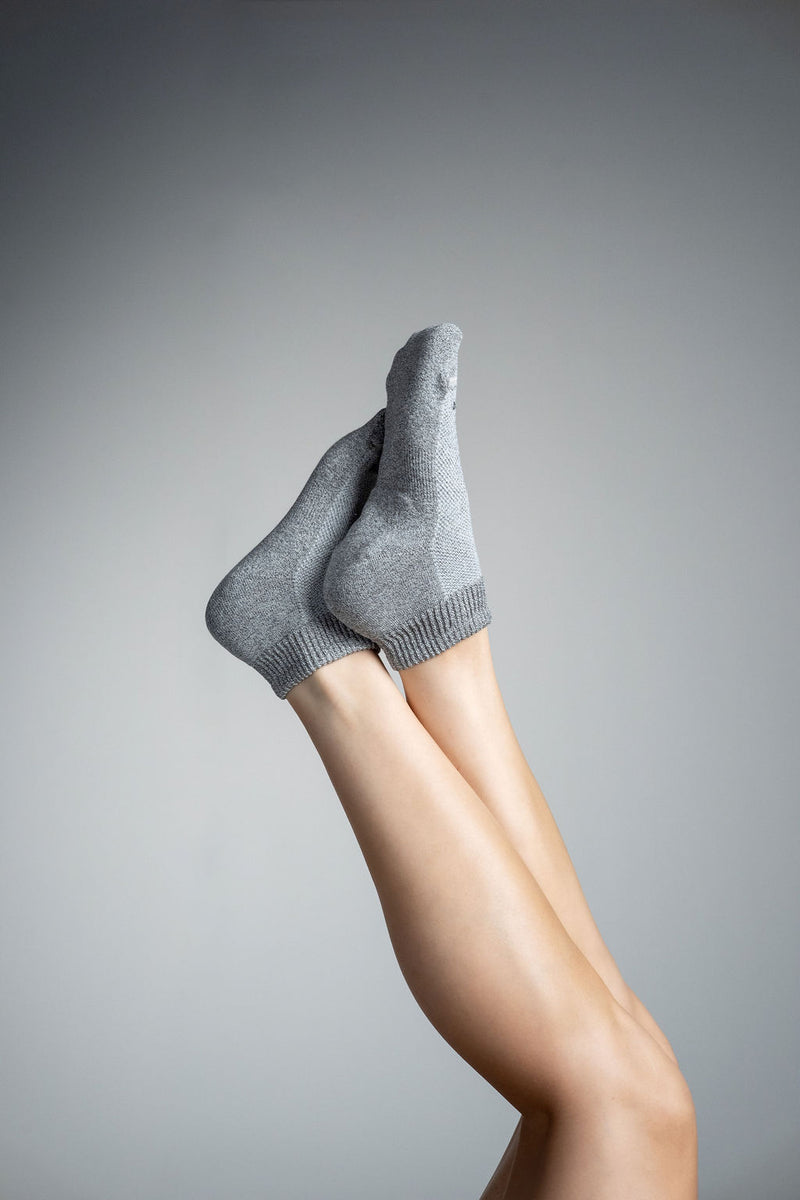
Fatigue late in the round does not just cause discomfort—it degrades your swing mechanics and scoring. Wearing Incrediwear Circulation Socks or Trek Socks, paired with Calf Sleeves or Leg Sleeves, helps manage lower leg tiredness and boost circulation through the 18th hole.
Playing a Full Season Without Breaking Down
Maintaining peak performance across a season requires proactive golf recovery. Blood flow and recovery are linked: healthy circulation delivers essential oxygen and nutrients to damaged tissues while clearing away metabolic waste.
Unlike conventional recovery gear that relies on tight compression, Incrediwear uses element-infused fabric. When activated by body heat, the fabric emits infrared waves that stimulate cellular vibration to naturally boost blood flow and blood speed.
In laser Doppler testing, the fabric increased resting blood flow by up to 21.6% and blood speed by up to 22.2%.
Because Incrediwear products are non-compressive, they can be comfortably worn before, during, or after your round—and even overnight during sleep when your body heals most efficiently.
Practical Recovery Tips
-
Warm Up On the Range: Warm up your muscles and joints before stepping up to the first tee.
-
Manage Volume: Build practice volume gradually rather than hitting hundreds of balls in one sitting.
-
Check Your Grip: Keep grip pressure relaxed to avoid strain up the kinetic chain.
-
Listen to Your Body: Treat persistent soreness lasting longer than 48 hours as important feedback.
Note: Wearable technology supports active recovery, but persistent or severe symptoms warrant evaluation by a qualified medical professional.
Frequently Asked Questions
What is the most common golf injury?
Low back injuries are the most common, accounting for 15.2% to 34% of all golf-related injuries.
Why does golf cause lower back pain?
The golf swing creates intense rotational forces, side bending, and axial compression on the lumbar spine. Performing this movement repeatedly—especially with restricted hip mobility or while carrying a bag—puts high stress on the lower back.
What is golfer's elbow?
Golfer's elbow (medial epicondylitis) is an overuse injury causing inflammation and pain in the tendons that connect the forearm muscles to the inside of the elbow.
How is golfer's elbow different from tennis elbow?
Golfer's elbow affects the inner side of the elbow (medial epicondylitis), whereas tennis elbow affects the outer side (lateral epicondylitis).
How long does golfer's elbow take to settle down?
Because forearm tendons have limited blood flow, golfer's elbow can take anywhere from a few weeks to several months to fully resolve depending on rest, active recovery, and practice modifications.
How far do you walk during 18 holes of golf?
A typical 18-hole round involves walking between 4 to 6 miles and logging 10,000 to 14,000 steps.
How should golfers recover between rounds during the season?
Effective recovery involves dynamic warm-ups, monitoring practice volume, prioritizing sleep, and using non-compressive therapeutic sleeves like Incrediwear to enhance blood circulation and speed up natural healing.
Read more
Whether you are a recreational weekend warrior or a competitive tournament player, tennis requires an intense combination of high-speed repetitive strokes, massive serving power, and aggressive mul...
On July 19, 2026, Spain defeated Argentina 1-0 in extra time to win the World Cup final at MetLife Stadium, sealed by Ferran Torres in the 106th minute. It brought an end to an intense tournament s...
Leave a comment
All comments are moderated before being published.
This site is protected by hCaptcha and the hCaptcha Privacy Policy and Terms of Service apply.