



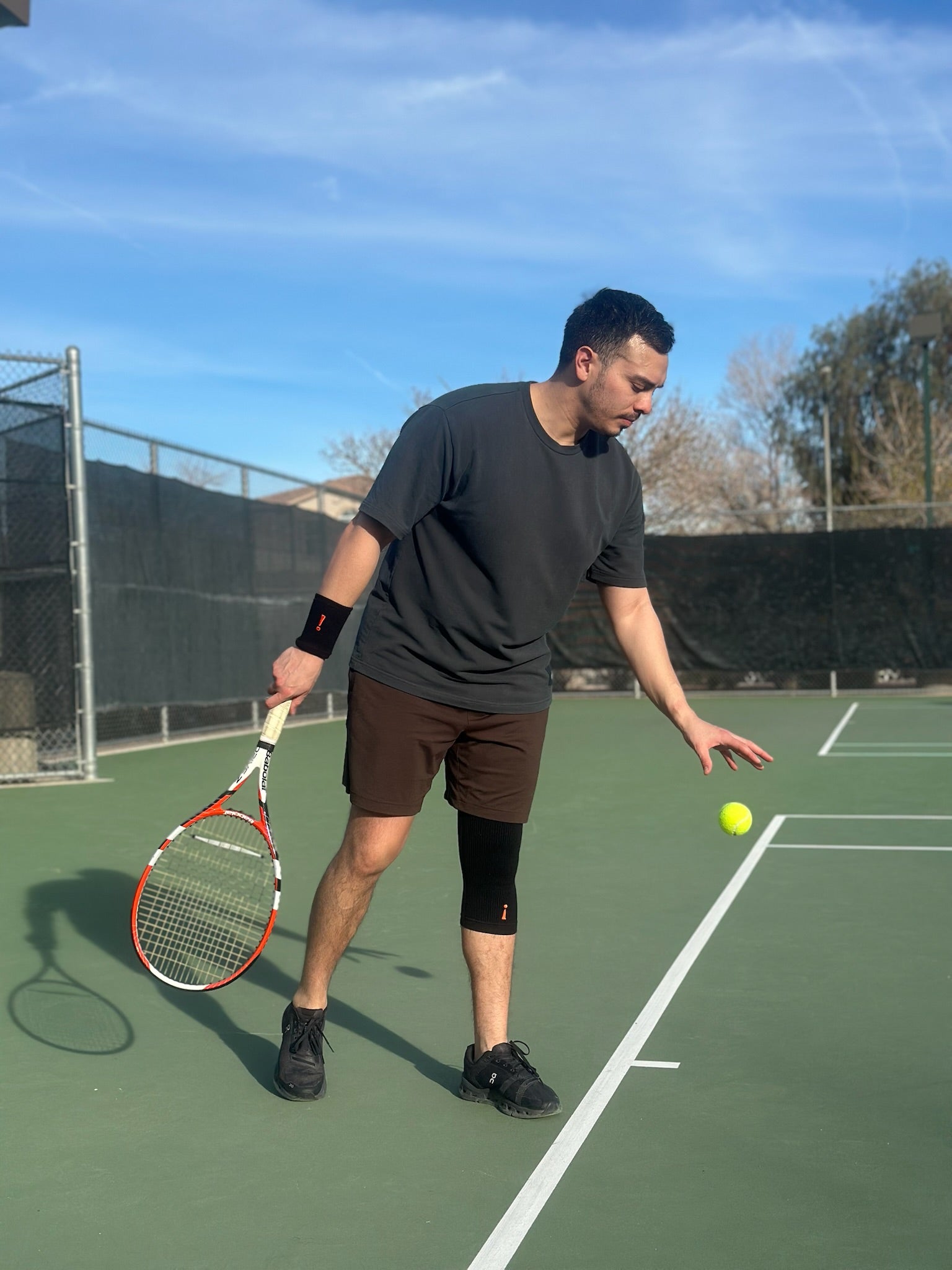
Most Common Tennis Injuries in 2026 and How to Prevent Them
Whether you are a recreational weekend warrior or a competitive tournament player, tennis requires an intense combination of high-speed repetitive strokes, massive serving power, and aggressive multi-directional agility. Stepping onto a tennis court—whether hard, grass, or clay—subjects your joints to a continuous barrage of quick starts, abrupt stops, and explosive lateral movement.
Because the sport relies heavily on a fully functioning kinetic chain, where energy transfers sequentially from the lower extremities through the trunk to the upper body, any weakness or fatigue along this route can lead to trouble. While acute issues like a sprained ankle tend to happen suddenly during intense match play, chronic overuse injuries in the shoulders, elbows, wrists, or hands can build up quietly over time during training sessions.
To stay out of the clinic and on the court, understanding your body's vulnerabilities is the first step toward true longevity. By pairing intentional preparation like dynamic warmups, specific strength work, mobility drills, smart tournament scheduling, and proper footwear with advanced recovery technology, you can shield yourself from the baseline wear and tear.
Tennis Elbow
Among the most recognizable conditions in racquet sports, tennis elbow (lateral epicondylitis) is an overuse injury that targets the forearm extensor muscles, specifically the extensor carpi radialis brevis (ECRB). About 2% of people experience tennis elbow, most commonly between the ages of 40 to 60.
The strain typically builds from repeated gripping, making late ball contact, or using flawed one-handed backhand mechanics. When a player grips the racquet too tightly, the forearm muscles absorb the shock of the ball's initial impact rather than distributing the force across the whole body.
Even the world’s elite are not immune: Former top-10 tennis pro Lucas Pouille underwent surgery on his right elbow in 2020.
Our Recommendations
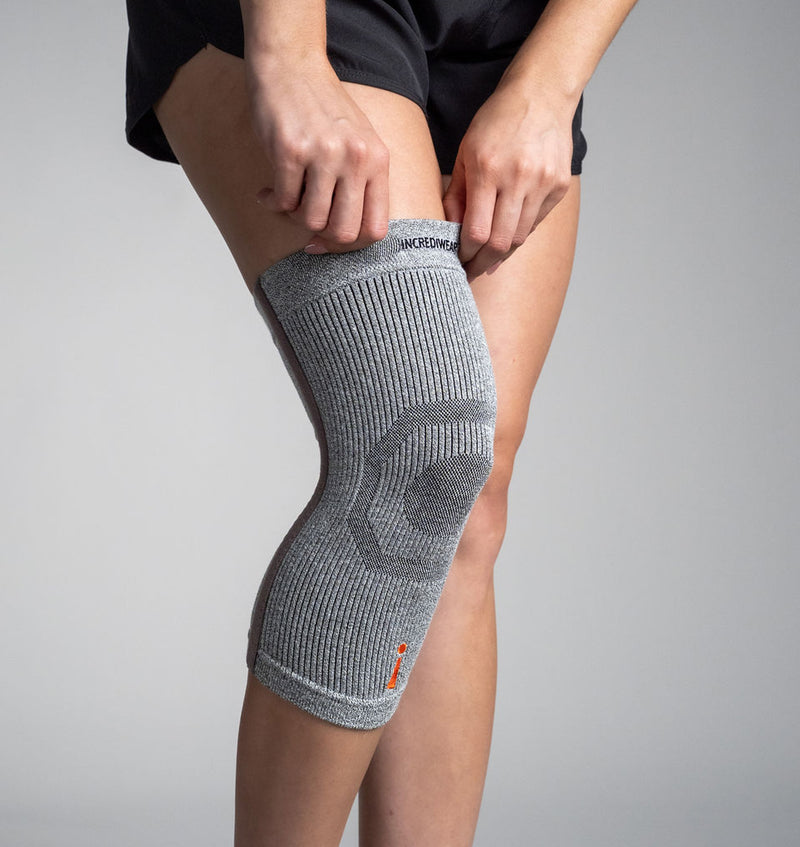
Tennis Knee, Jumper’s Knee, and Patellar Tendinitis
The constant braking and changing of directions inherent to tennis can take a severe toll on the lower extremities and lead to patellar tendinitis. The patellar tendon is the primary shock absorber when you push off, lunge, or land. In the sports medicine realm, this repetitive strain is formally known as "jumper's knee" and, in recent years, “tennis knee.”
Every time you sprint to a drop shot, explode upward for an overhead smash, or plant forcefully to hit a topspin forehand on a rigid hard court, the patellar tendon takes the stress. Over time, you may experience localized joint pain and sharp, aching discomfort that flares up during play or throbs long after you have walked off the court. A prime example of this injury's severity is Rafael Nadal, whose legendary, physical style of play forced him to manage profound knee issues for years, including a highly publicized patellar tendon tear that sidelined him during the 2012 season.
Our Recommendations
Shoulder Pain, Rotator Cuff Strain, and Bicep Tendinopathy
The tennis serve is arguably the most complex and explosive motion in the sport, requiring the arm to accelerate to maximum speed before decelerating in a fraction of a second. This overhead repetition puts tremendous strain on the complex network of muscles and tendons stabilizing the joint, frequently resulting in shoulder injuries like rotator cuff tendinitis or long-term shoulder strain. When a player experiences reduced shoulder mobility or fatigue deep into a match, the surrounding tissue takes the brunt of the force, which can lead to secondary issues like bicep tendonitis.
Flawed serving techniques like dropping the elbow or failing to engage core and hip rotation can force the shoulder to generate raw power independently, leading to internal impingement and micro-tears in the tendons. This latent wear can plague long-term players. Former world No. 1 Maria Sharapova battled chronic shoulder injuries throughout her career, ultimately undergoing a surgical procedure in 2019 after years of trying to play through debilitating pain.
Our Recommendations
Sprained Ankles
While overuse issues build up incrementally, a sprained ankle is an acute trauma that can instantly derail a season. Ankle sprains are a frequent acute injury in tennis matches, directly linked to the rapid changes of direction and sliding stop-and-start footwork needed on modern court surfaces.
An ankle sprain typically occurs when a player transitions directions or lands off-balance on the outside edge of their foot. This causes the ankle to roll inward, stretching or tearing the lateral ankle ligaments. Even the world’s most agile athletes face this risk: Carlos Alcaraz experienced this during his 2025 opening-round match in Tokyo, where an awkward plant resulted in an ankle roll that “scared” him mid-tournament.
Our Recommendations
Wrist Pain and Wrist Tendinitis
Wrist pain and chronic wrist tendinitis have become increasingly prominent at all levels of play, especially for athletes. Repeated ball impact forces the wrist to absorb considerable shock, particularly when contact is made late or outside the racquet’s sweet spot.
Great champions like Rafael Nadal have had to halt their seasons early due to wrist tendon issues, and persistent wrist trauma famously compromised the peak competitive years of Grand Slam champion Juan Martín del Potro.
Our Recommendation
How Tennis Players Can Lower Injury Risk
Protecting yourself against the hazards of the court requires a proactive, multi-layered strategy. No individual product or sleeve can serve as a standalone cure or absolute shield against injury. Instead, maximizing your performance means incorporating specialized wearables into an overall wellness routine of physical preparation and professional guidance.
-
Prioritize Comprehensive Warmups: Never sprint straight to the baseline. Spend at least 15 to 30 minutes warming-up, incorporating jumping, lunging, and dynamic movement to prime your muscles for the specific movement patterns of the game.
-
Build Tennis-Specific Strength: Focus on cross-training exercises that reinforce your kinetic chain. Strengthen your rotator cuff, reinforce your forearms, and build hip, core, and lower-body stability to better absorb court impact and protect vulnerable joints.
-
Integrate Targeted Gear: Deploy the appropriate tool for each specific body area. Unlike traditional compression garments that squeeze the joint and restrict natural lymphatic drainage, Incrediwear's element-infused fabric naturally increases resting blood flow by 22%. This helps alleviate deep aches and optimizes the body’s natural healing processes so you can lunge with confidence.
-
Listen to Persistent Symptoms: While proactive recovery can lower your down-time, remember to always consult a qualified healthcare professional for individualized treatment if joint pain or sharp tendon limitations refuse to subside.
FAQs
What are the most common tennis injuries?
The most frequent tennis injuries include lateral epicondylitis (tennis elbow), rotator cuff and labral shoulder strains, lumbar lower back injuries, patellar tendinopathy (tennis knee), wrist tendinitis, and acute lateral ankle sprains.
What causes tennis elbow in tennis players?
Tennis elbow is caused by the repetitive strain of gripping, wrist extension, and striking the ball—especially on backhand strokes. Poorer techniques, such as hitting the ball late or squeezing the racquet handle too tightly, forces the forearm muscles to absorb all the ball’s initial shock, leading to tendon micro-tears.
What is tennis knee, and is it the same as jumper’s knee?
Yes, "tennis knee" is a term for patellar tendinitis, as is "jumper's knee." It is an overuse injury of the patellar tendon caused by the repeated jumping, landing, rapid lunging, and sudden stops required on high-impact hard courts.
Why do tennis players get shoulder, wrist, or tendon pain?
Tennis players frequently experience tendon pain across the upper body due to high-speed stroke mechanics and high serving volumes. Over time, poor mechanics or muscle fatigue forces the rotator cuff, biceps, and wrist tendons to absorb excessive rotational torque and ball shock, leading to localized inflammation.
How can tennis players lower their risk of common injuries?
Players can lower their injury risk by performing sport-specific dynamic warmups, engaging in routine core and rotational strength training, allowing adequate rest between high-volume playing weeks, and using non-compressive infrared sports sleeves to optimize localized circulation and muscle tissue recovery.
Read more

In the freezing Arctic waters of Norway, pro surfers Hunter Jones & Dane Anderson pushed their limits—powered by Incrediwear's science-backed recovery gear. Discover how they stayed warm, recov...

Golf does not look like a sport that breaks people, yet the tournament withdrawal list — and your body after a day at the links — tells a very different story
Leave a comment
All comments are moderated before being published.
This site is protected by hCaptcha and the hCaptcha Privacy Policy and Terms of Service apply.