


The World Cup Is Over. The Hard Part Starts Now: A 2026 Soccer Injury Report
On July 19, 2026, Spain defeated Argentina 1-0 in extra time to win the World Cup final at MetLife Stadium, sealed by Ferran Torres in the 106th minute. It brought an end to an intense tournament spanning June 11 to July 19 across 16 host cities in three countries.
Yet, while fans celebrated, players faced an immediate challenge: domestic preseason was already starting. Players who went deep in the knockout rounds had just four to five weeks total for holiday, recovery, and reporting to camp. In England, the Premier League opened on August 22—just 34 days later.
Across the U.S., youth and high school fall seasons kick off in mid-August, and adult leagues restart around the same time. After a summer spent watching soccer, players at every level are showing up to the field with high enthusiasm and unconditioned muscles, creating a high-risk window for soccer injuries.
This article acts as a guide to common soccer injuries for pros and amateurs, how to avoid them, and how to recover as quickly and safely as possible.
Why the Post-Tournament Window Is So Risky
Soccer, especially at the elite level, inflicts microtrauma, acute inflammation, and tissue swelling. Clearing this damage requires time and adequate blood flow. When congested playing calendars cut recovery short, structural damage, and the increased risk of injury, carries directly into the next season.
Sports Medicine Research from 2022 found that among professional male soccer players, injury risk surges during match-congested periods when teams play on four days' recovery or fewer. The rush to play instead of resting to allow muscles to repair can lead to more serious or recurring injuries. Data from the UEFA Elite Club Injury Study shows roughly 18% of hamstring injuries are recurrences, with more than two-thirds occurring within two months of returning to play. Rushing a return makes secondary breakdowns far more likely, turning overuse injuries into chronic setbacks.
The Knee
Knees endure high mechanical loads in soccer, making the joint especially vulnerable during sudden deceleration, planting firmly to cut, awkward single-leg landings, or executing direction changes under fatigue. Most ACL ruptures are a non-contact injury, meaning they’re a result of biomechanical errors—particularly when muscles are fatigued—not a specific bad play or tough fall.
We saw this exact vulnerability play out during the 2026 tournament cycle. Brazilian forward Rodrygo suffered a complete ACL and meniscus rupture during his regular season with Real Madrid—keeping one of Brazil’s most valuable players out of the World Cup tournament. “I'm out for the rest of the season with my club and out of the World Cup with my country, a dream which everyone knows how much it means to me,” Rodrygo said in a statement in March. Adding, “One of the worst days of my life. I've always been afraid of this injury.”
As the tournament wore on over weeks, Argentina defender Cristian Romero was also forced off with an acute knee issue in the group stage game against Austria, showcasing how that cumulative match strain can degrade joint mechanics.
For teens, knee fatigue can be an even greater risk, as their body mass and playing speeds increase before the joint fully matures.
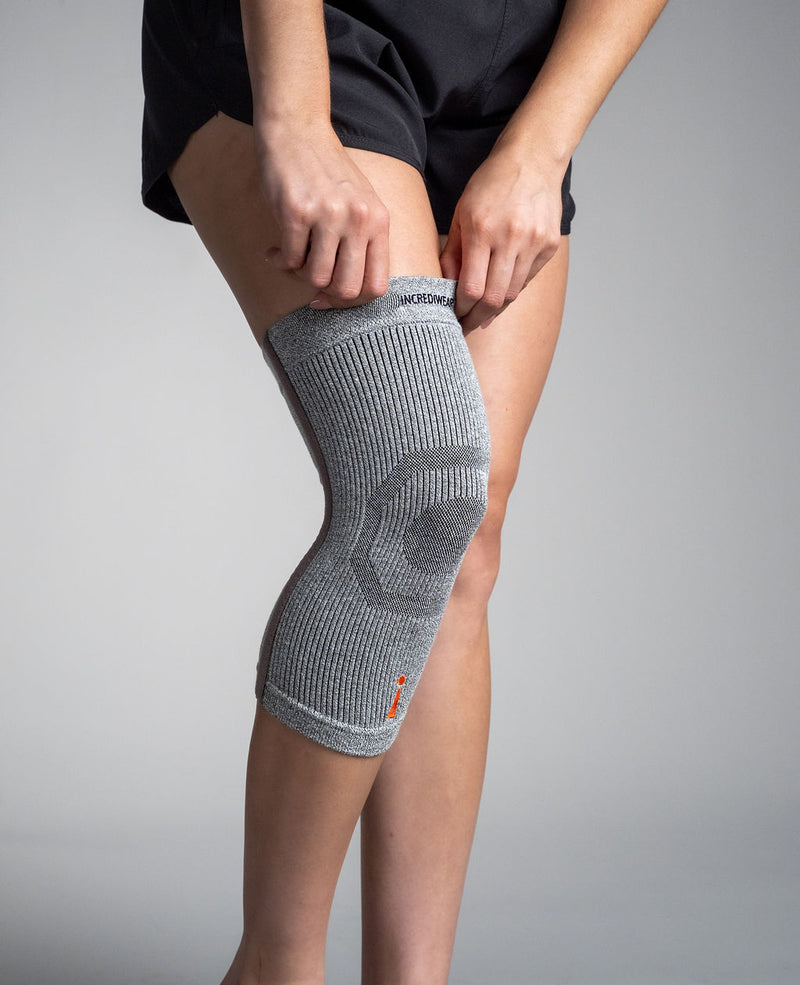
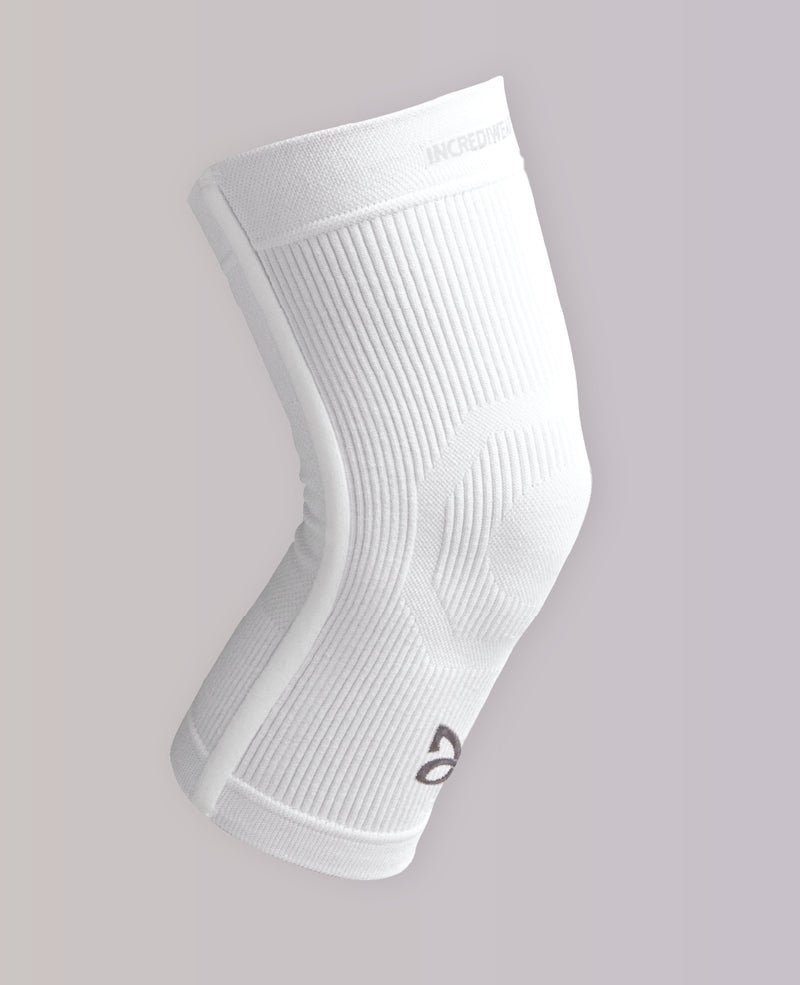
Protecting knee integrity requires targeted support. Wearing a soccer knee sleeve may help. The Incrediwear Knee Sleeve provides non-compressive support that increases localized blood flow to clear swelling without restricting joint range of motion.
The Hamstring and Upper Leg
Hamstring strains are the most common injury in professional soccer, according to the UEFA Elite Club Injury Study, and correlate directly with high-speed running, sudden acceleration, late-match exhaustion, and ramping up dynamic load too quickly after a break. Thigh and groin strains present similar risks across the upper leg.
These injuries are also on the rise, the UEFA study also found that hamstring injuries doubled from 12% of all injuries in 2001-2002 to 24% in 2021-2022. This means it shouldn’t be a surprise that an upper leg injury affected the World Cup.
The physical strain of a condensed schedule was on full display in the pro ranks when Éder Militão required thigh surgery and was ruled unable to play in April. He was one of four Brazil players lost before playing a single match.
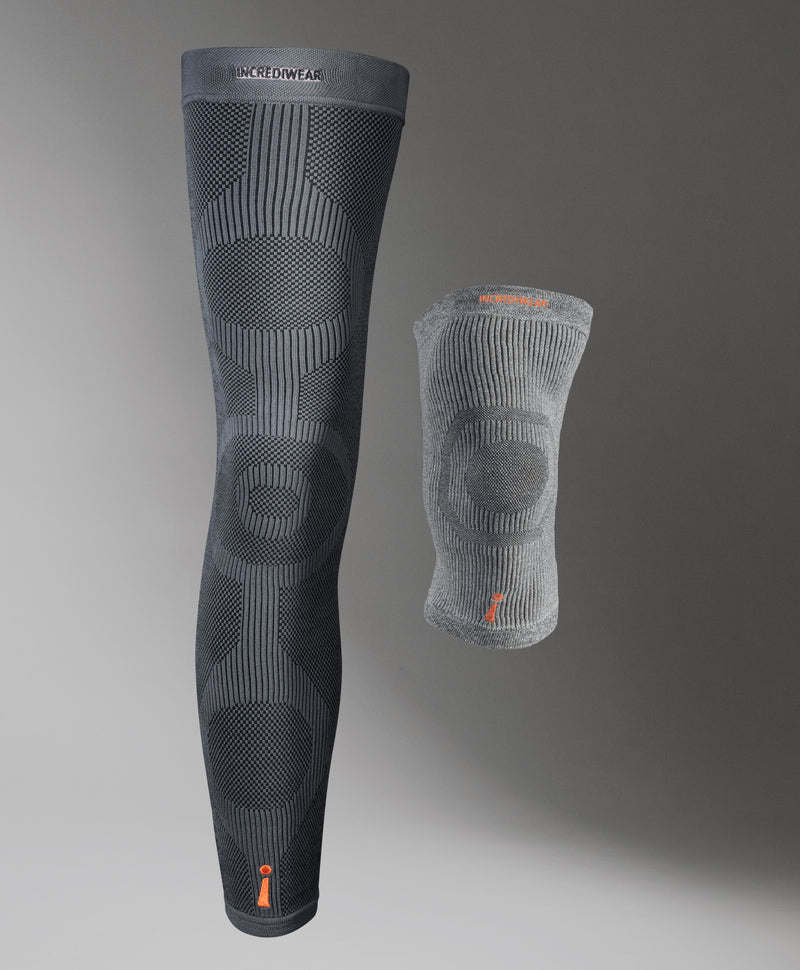
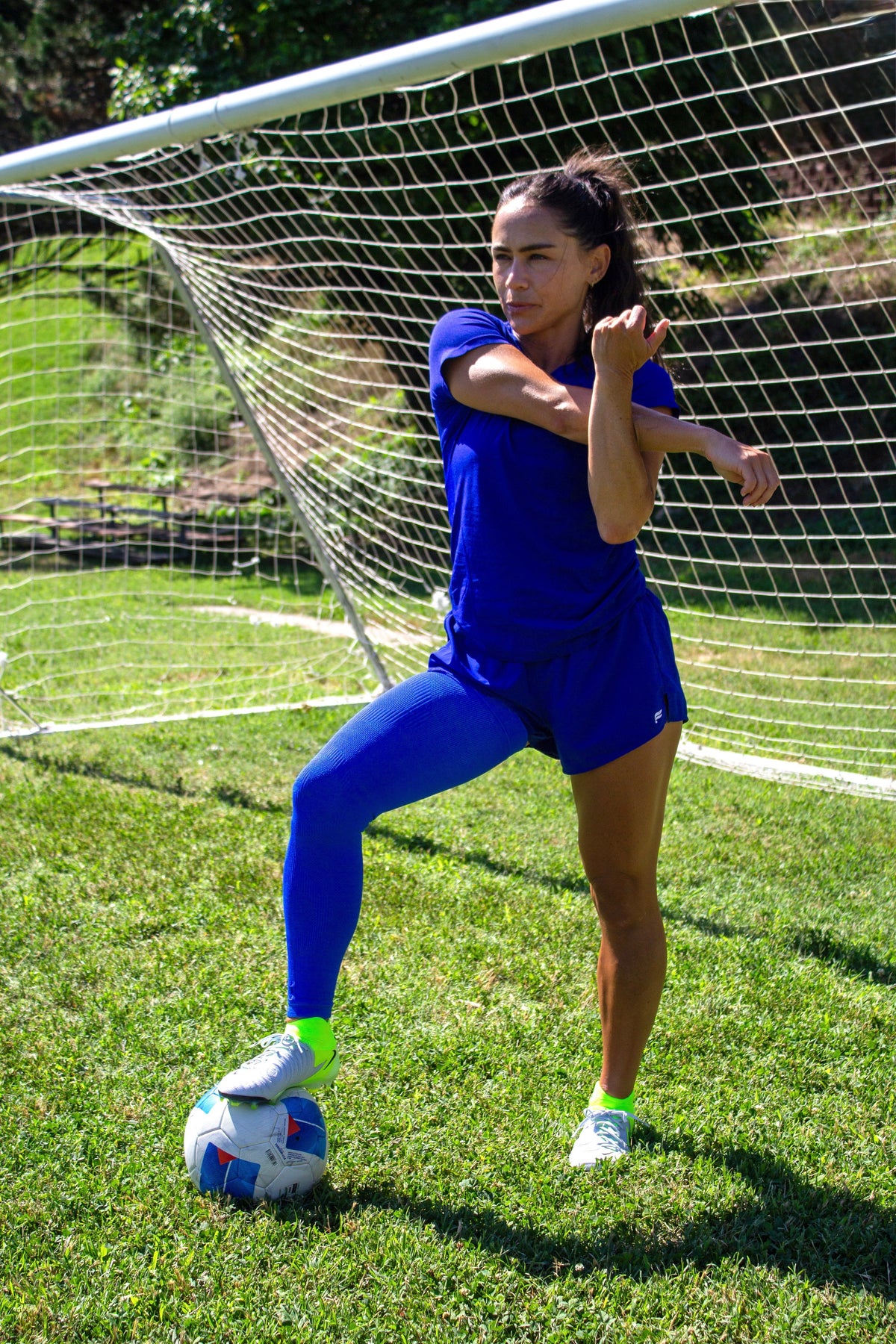
Effective hamstring strain recovery requires restoring blood flow to help repair and manage muscle fatigue and soreness. Incrediwear Leg Sleeves deliver steady infrared stimulation across the entire limb after training. For upper leg, hip, and groin support, Incrediwear Circulation Shorts can be worn as a base layer during and after practice.
The Calf and Shin
Calf strains and shin discomfort spike in the first weeks of a season when players shift seemingly overnight from lazy summer days to repetitive sprinting. Despite being common, lower leg issues remain among the most under-covered soccer injuries. These conditions stem from repeated sprinting, sharp jumps in training volume, unyielding synthetic turf or dry summer fields, and worn footwear without proper shock dispersion. During preseason conditioning, a sudden increase in dynamic workload can lead to inflammation and can progress to acute calf pulls or medial tibial stress syndrome (shin splints).
To keep lower leg muscles pliable, proper blood flow is essential. A soccer calf sleeve like the one from Incrediwear with element-infused fabric can boost circulation without adding compression. This helps manage soreness, and maintain tissue elasticity throughout demanding preseason training
The Ankle
Ankle sprains are the most common injury in youth soccer and remain frequent at every competitive level. These acute sprains typically occur during contested tackles, landing on another player's foot, navigating uneven surfaces, or cutting under severe fatigue. For parents and players entering the fall season, rushing recovery of a simple ankle roll can leave players at risk for recurring or escalating issues.
On the world stage, Santiago Giménez suffered an ankle sprain during Mexico's Round of 16 match against England, and now there are lingering questions about his upcoming regular season with AC Milan. The setback was particularly concerning because Giménez injured the exact same ankle earlier in the year, requiring surgery in February—a clear warning of how unresolved joint weakness exposes players to recurrent trauma.
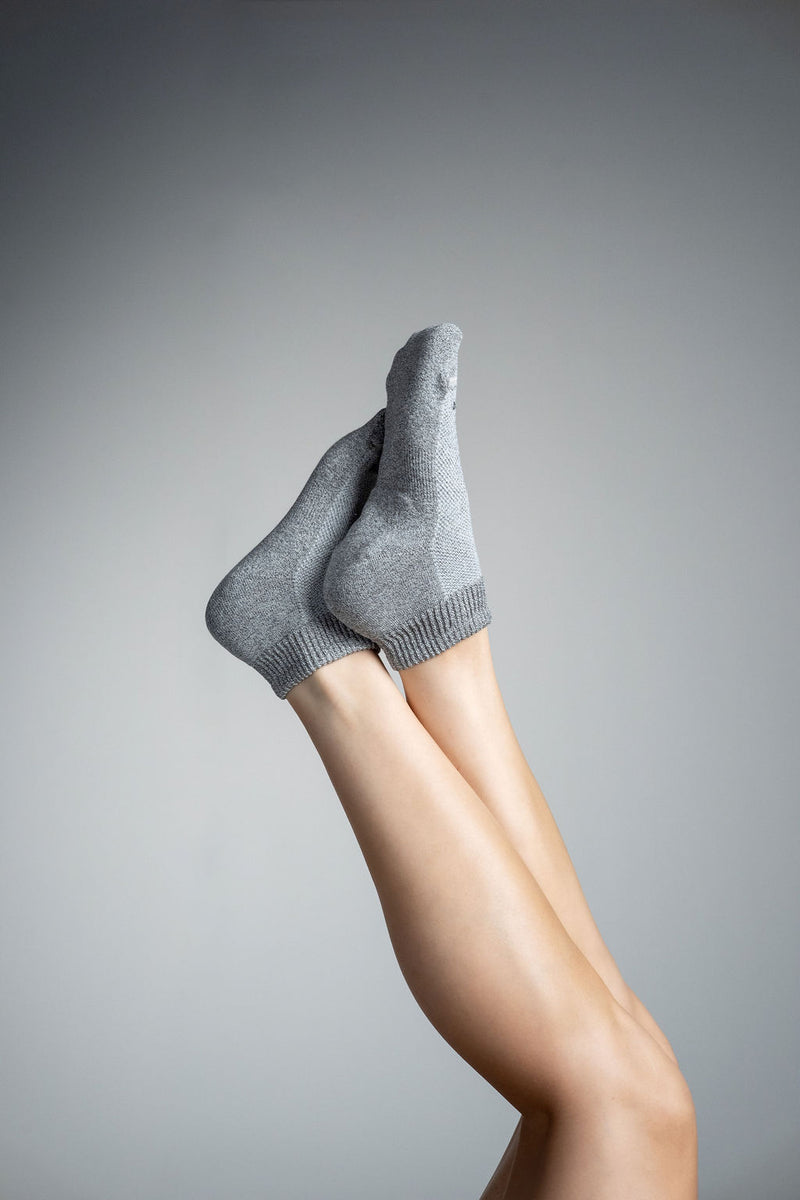
Supporting compromised ligaments requires creating a healing biological environment, not restrictive binding. The Incrediwear Ankle Sleeve delivers gentle infrared heat to help reduce muscle fatigue, improve circulation, and support faster recovery. Pairing an ankle sleeve for soccer with Incrediwear Sport Socks helps keep that infrared technology working down to the toes throughout matches and training sessions.
Why Circulation Matters More Than Compression
Healing comes down to a simple process: how quickly your body can deliver fresh oxygen and nutrients to tired tissue, and how fast it can clear away the waste that causes soreness and swelling. Traditional compression wear tries to help by tightly binding your muscles, but excessive physical pressure can actually restrict capillary blood flow right when your body needs it most. Incrediwear takes a gentler, smarter approach by encouraging your body's natural healing processes without the uncomfortable squeeze:
-
Our element-infused fabric is activated by your own body heat, emitting safe infrared waves that create gentle cellular vibrations, naturally ramping up blood flow and blood speed.
-
In laser Doppler testing, the fabric increased resting blood flow by up to 21.6% and blood speed by up to 22.2%. Clinical findings also show that this boost in circulation leads to a 51% reduction in pain, a 31% increase in recovery speed, and a 22% overall boost in circulation.
-
Because Incrediwear garments don't rely on tight pressure, they never feel restrictive or suffocating. That means you can wear them comfortably during play, on the couch after a tough session, or overnight while you sleep to let your body rebuild while you rest.
You're on the Same Clock
Whether you are reporting to high school tryouts, coaching youth teams, or returning to a weekend adult league, you operate on the same biological clock as elite athletes. Returning to play after a summer break requires smart preparation to stay healthy.
While wearable technology provides vital support, it works best alongside solid preparation habits:
-
Ramp Training Load Gradually: Ease into the first two to three weeks of preseason conditioning by stepping up training volume incrementally.
-
Build Soccer-Specific Strength: Strengthen your hamstrings, hips, calves, and ankles to prepare joints and muscles for cutting and sprinting.
-
Listen to Your Body: Treat muscle fatigue and soreness that persists longer than 48 hours as a sign to adjust training rather than push through.
-
Seek Professional Care: Consult a qualified medical professional if joint pain or sharp localized pain persists.
-
Use Targeted Support: Match specific body needs with functional gear like the Knee Sleeve, Leg Sleeves, Calf Sleeves, Ankle Sleeve, Circulation Shorts, or Sport Socks.
As the soccer calendar turns toward the 2027 FIFA Women's World Cup in Brazil (June 24 to July 25, 2027), preparation remains a continuous cycle. Recover on the clock you actually have, and empower your body to live and perform incredibly.
FAQs
How long do soccer players need to recover after a match?
Full muscular and metabolic recovery after a competitive match typically requires 48 to 72 hours. This period allows tissue microtrauma to heal, glycogen stores to replenish, and cellular waste to clear. Playing on fewer than four days' rest increases cumulative fatigue and risk of injury.
Why do injuries increase during congested schedules?
Congested schedules reduce the time available for biological repair between high-intensity efforts. As fatigue builds up, muscle control drops and joint stability decreases, creating a higher risk for non-contact injuries and overuse strains.
What were the biggest injuries at the 2026 World Cup?
Notable injuries included Rodrygo's pre-tournament ACL rupture and Éder Militão's thigh surgery. During the tournament, Cristian Romero sustained a knee issue and Santiago Giménez re-injured his surgically repaired ankle.
What is the difference between compression and circulation recovery wear?
Compression garments rely on physical pressure to squeeze tissue, which can constrict blood flow. Circulation wear uses element-infused fabrics activated by body heat to emit far-infrared waves, increasing blood speed and volume without tight squeezing.
How should recreational players prepare for the start of a season?
Recreational players should begin conditioning 3 to 4 weeks before their season starts. Focus on gradual sprint progression, lower-body strength training, proper warm-ups, and utilizing non-compressive recovery gear to manage soreness after workouts.
Read more
Golf does not look like a sport that breaks people, yet the tournament withdrawal list — and your body after a day at the links — tells a very different story
Across the globe, racket and paddle sports are experiencing an unprecedented surge in popularity. Padel has more than 35 million players globally, supported by over 58,334 courts worldwide—roughly ...
Leave a comment
All comments are moderated before being published.
This site is protected by hCaptcha and the hCaptcha Privacy Policy and Terms of Service apply.