


Padel vs Pickleball: Which One Is Actually Harder on Your Body?
Across the globe, racket and paddle sports are experiencing an unprecedented surge in popularity. Padel has more than 35 million players globally, supported by over 58,334 courts worldwide—roughly six times its total in 2016. In the United States, padel participation reached 1,073,000 players, with club memberships climbing 51.5% year over year. Meanwhile, pickleball remains the largest fast-growing court sport in North America.
Because both sports feature compact courts, underhand serves, and accessible entry points for recreational athletes, newcomers often lump them together. Before you show up to the pickleball court, it might be worth asking: What is padel, and how does padel vs pickleball compare in terms of physical strain?
While both belong to the broader family of racquet sports, their court dimensions, wall dynamics, and swing mechanics can create distinctly different injury profiles. Understanding these differences—and how each sport loads your tendons, joints, and muscles—is the key to staying match-ready.
Padel vs Pickleball: The Actual Differences
To understand why these two sports affect your body differently, it helps to examine their core structural and mechanical rules. When comparing pickleball vs padel, as well as tennis vs pickleball and padel vs tennis, the distinction comes down to four primary factors:
|
Feature |
Padel |
Pickleball |
|
Court & Environment |
Enclosed court measuring 20m by 10m with glass and metallic mesh walls actively in play. |
Open court measuring 44 ft by 20 ft (same dimensions as a badminton doubles court) with no walls. |
|
Equipment |
Solid, stringless composite paddle/racket with a perforated core and a depressurized tennis ball. |
Lightweight, smooth solid paddle made of wood or composite and a perforated plastic ball. |
|
Gameplay Dynamics |
Almost exclusively played as doubles; long, continuous rallies using rebounds off the back and side walls. |
Played as singles or doubles; features a 7-foot non-volley zone (called "the kitchen") near the net that limits overhead attacks. |
|
Serving & Strokes |
Underhand serve bouncing once behind the service line; high volume of overhead smashes, volleys, and bandejas. |
Underhand serve hit below waist height; emphasis on dinking, drop shots, and quick kitchen-line volleys. |
Because padel uses an enclosed court surface with rebounding glass, players encounter longer point construction and repetitive rotational turns. Pickleball, by contrast, concentrates rapid-reaction exchanges near the non-volley zone line, placing unique physical demands on response time and sudden lateral movement.
The Elbow: The Shared Vulnerability in Racquet Sports
If there is one body part that unites players across both sports, it is the forearm and elbow joint. Clinical studies highlight that the elbow is Padel's most frequently injured body region, with 20%-74% of players reporting it. Similarly, up to 50% of regular tennis players report experiencing tennis elbow.
Research links the prevalence of elbow tendon issues with repetitive micro-trauma to the extensor carpi radialis brevis (ECRB) tendon, resulting in lateral epicondylitis. While players refer to these conditions as padel elbow or pickleball elbow, both share identical clinical pathology with traditional tennis elbow—caused by different sport-specific mechanics.
Several key factors contribute to elbow strain across both games:
-
Impact Vibration: Unlike tennis rackets, which use flexible string beds to absorb kinetic shock, padel and pickleball paddles feature solid faces. Impact forces transfer directly through the paddle into the forearm musculature.
-
Off-Center Hits: Contacting the ball outside the paddle's sweet spot creates rotational torque, straining the wrist extensors.
-
Excessive Grip Pressure: Squeezing the handle too tightly—a common habit among beginners or tense players—magnifies shock transmission into the elbow.
-
Rapid Volume Escalation: Increasing playing time faster than soft tissue can adapt can lead to chronic overuse injuries and local tendonitis.
Because tendons naturally possess limited blood supply, elbow discomfort from racquet sports frequently lingers if left unmanaged.
Targeting Elbow Recovery
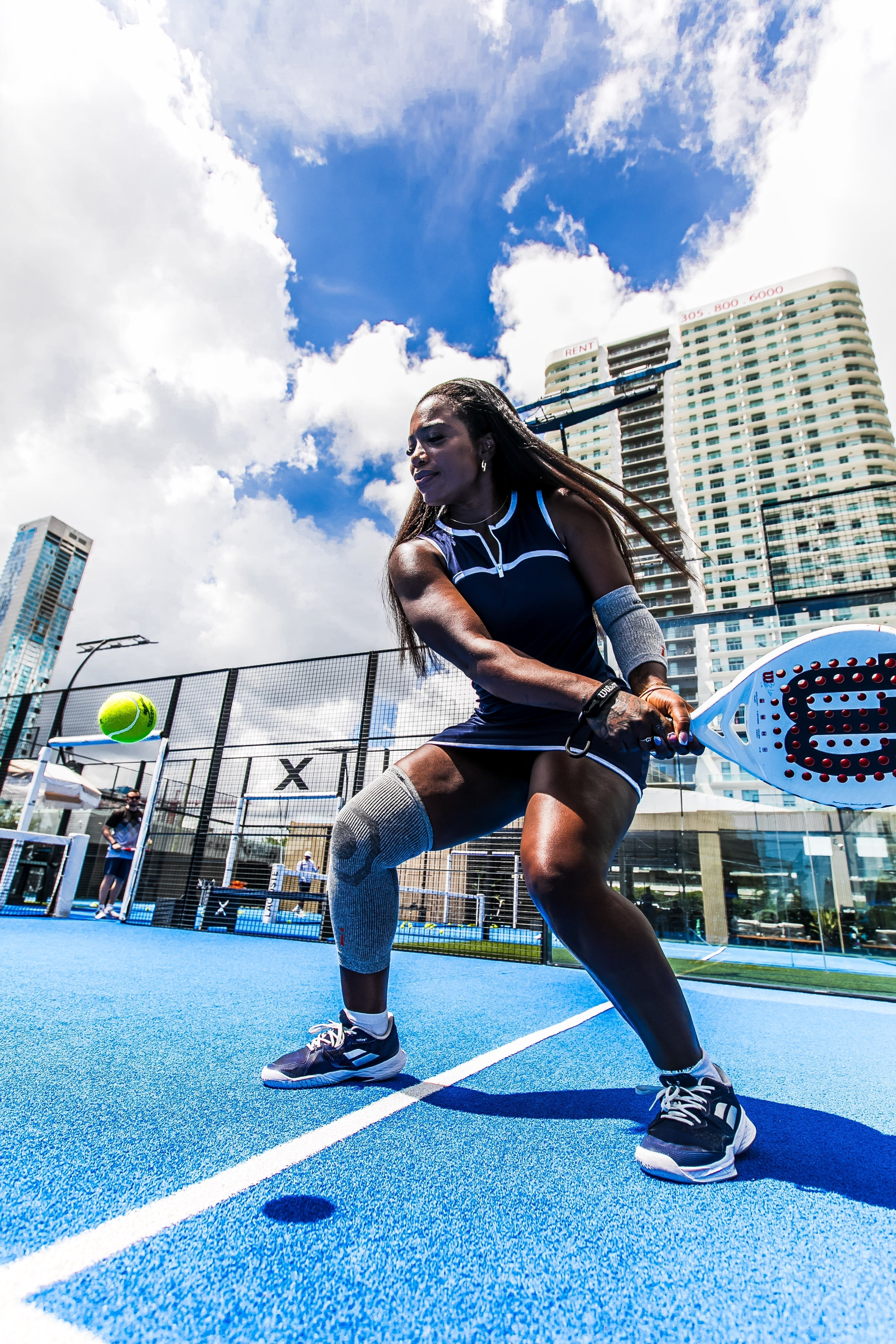
To manage daily soreness and promote active recovery, functional wearables offer targeted, non-compressive therapeutic coverage. The Incrediwear Elbow Sleeve and Incrediwear Arm Sleeve use element-infused fabric that is activated by body heat to increase local circulation. By increasing blood flow and oxygen delivery without squeezing the joint, these sleeves help ease pain, accelerate recovery, and reduce swelling during and after play.
Knees and Ankles: Navigating High-Impact Sudden Lateral Movement
While elbow issues account for the highest volume of upper-body complaints, lower-extremity injuries can lead to substantial time away from the court. Both padel and pickleball require rapid deceleration, split steps, lunges, and short-burst lateral movement on hard court surfaces.
Padel’s larger court area and continuous wall play require significant running, sprint-and-stop cycles, and backpedalling toward the glass. As a result, knee injuries are the second-most common among padel players, with ankle sprains and ligament strains following. In pickleball, while the court is smaller, the proximity to the non-volley line requires sudden lateral planting and low lunges to reach dinks and drop shots.
Both sports are popular among adults who are returning to competitive sports after years away. But without adequate lower-body conditioning, these movement patterns can trigger lower-extremity joint pain and soft tissue overload—bringing your amateur racquet sport career to a quick end.
Common issues that can put lower-limbs at risk include:
-
Abrupt Direction Changes: Sudden planting and pivoting put rotational torque on knee ligaments and the meniscus.
-
Hard Court Surface Impact: Playing on unyielding court surfaces transfers vertical force up through the feet, ankles, and knees.
-
Backpedalling Stress: Tracking lobbed balls backward in padel places acute mechanical strain on the Achilles tendon and calf complex.
Targeted Lower-Body Recovery
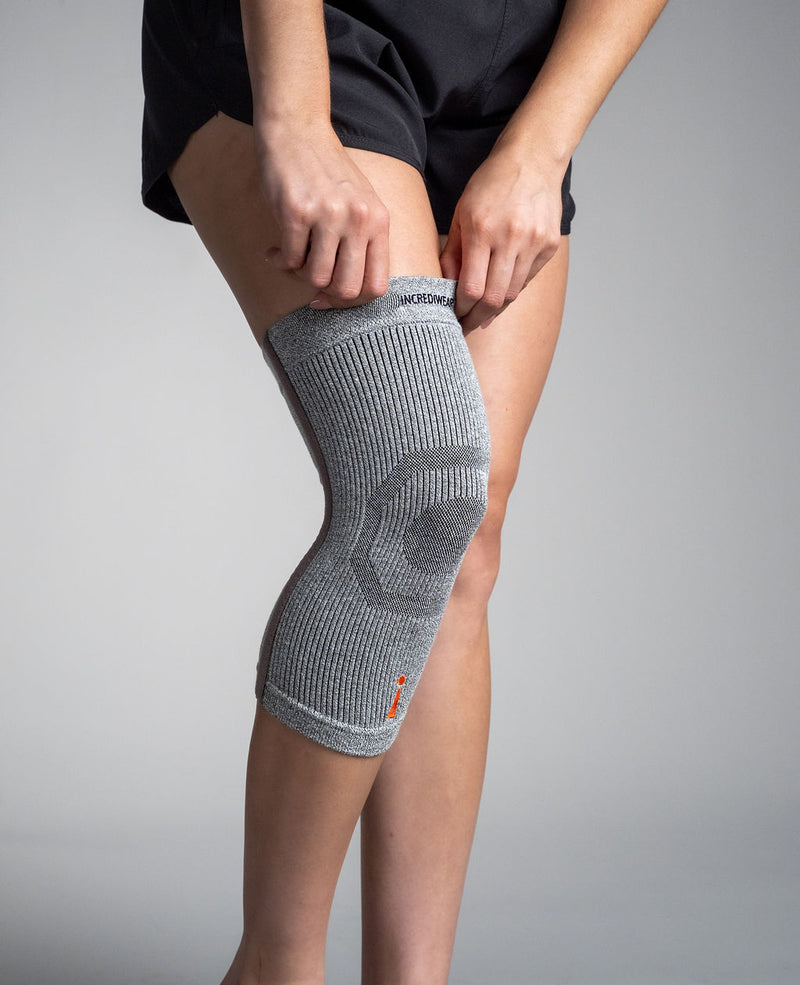
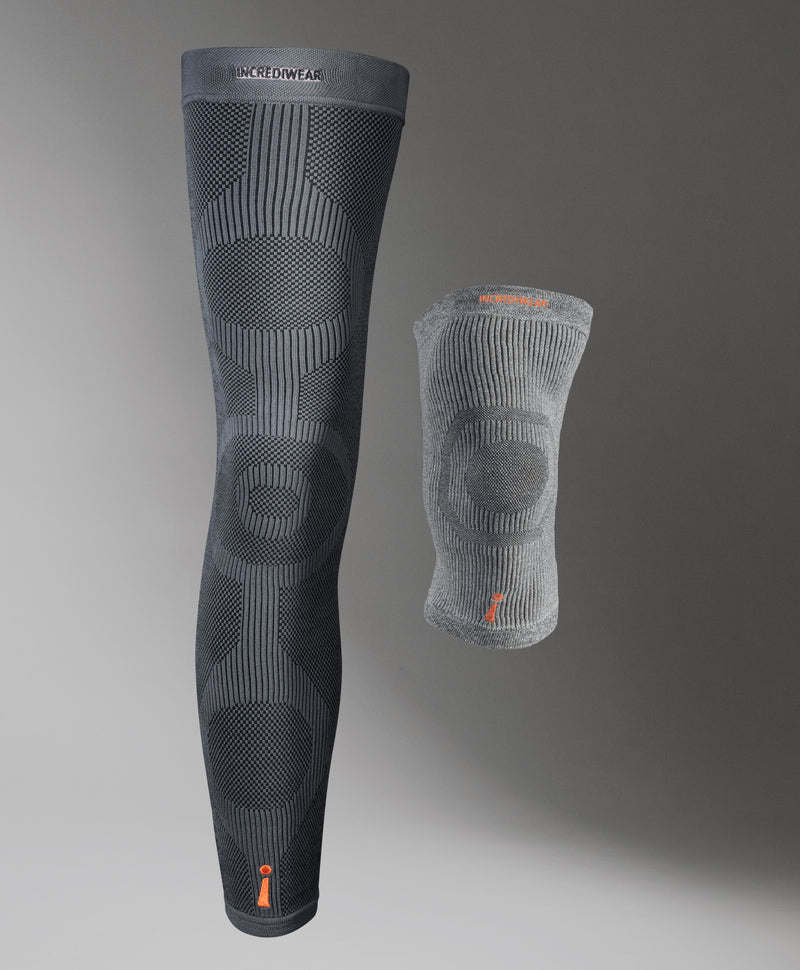
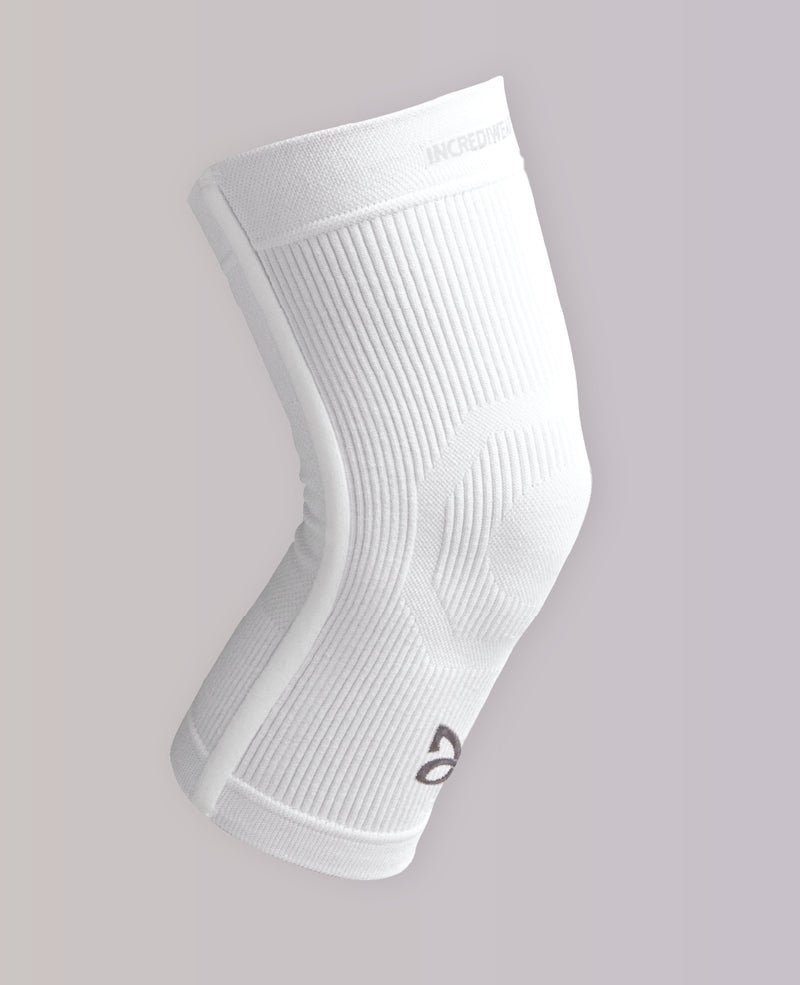
To keep your lower extremities moving freely, the Incrediwear Knee Sleeve and Incrediwear Ankle Sleeve are designed to boost circulation at rest and during activity. These sleeves help ease pain, reduce swelling, and speed recovery so you can stay active on the court.
The Shoulder: Where Padel and Pickleball Split
Despite both sports taking a physical swing, padel and pickleball have distinct differences when it comes to shoulder injuries. In padel, overhead mechanics—like the smash, backhand volley, and bandeja—are integral to the game. Research ranks shoulder conditions third among all reported padel injuries, driven by repetitive overhead rotation and reaching for balls bouncing off the rear walls.
In contrast, pickleball’s rules prohibit volleying within 7 feet of the net, significantly limiting the frequency of aggressive overhead smashes. While pickleball players do experience shoulder strain from serve motions and backhand drives, the overall overhead volume is substantially lower than in padel.
Padel shoulder strain typically stems from:
-
Repetitive Overhead Smashes: Repeated high-velocity extension and internal rotation overload the rotator cuff musculature.
-
Reaching Off the Glass: Late hits behind the body line force the shoulder into uncomfortable end-range positions under load.
-
Thoracic Stiffness: Restricted upper-back mobility forces the shoulder joint to overcompensate during overhead swings.
Wearable Therapy for the Shoulder
When shoulder strain limits your game, the Incrediwear Shoulder Brace provides non-compressive circulation support directly to the joint complex. Designed for direct-to-skin wear, it helps ease pain and accelerate recovery without restricting your natural range of motion. For full-arm circulation, pairing it with the Incrediwear Arm Sleeve helps optimize blood flow across the elbow, forearm, and bicep.
So Which One Is Harder on Your Body: Padel or Pickleball?
When evaluating padel vs pickleball from a physical perspective, padel generally risks greater overall strain on the body. Its larger court dimensions, high-frequency overhead swings, continuous wall-rebound rallies, and backward movement patterns create higher demands on cardiovascular capacity, shoulder mobility, and joint stability. Epidemiological data in padel highlights an average incidence of roughly 3 injuries per 1,000 training hours and 8 per 1,000 match hours.
However, pickleball injuries remain widespread due to the sport's rapid growth in popularity. Because pickleball is exceptionally easy to pick up, recreational players often jump from playing once a week to four or five times a week in a short timeframe. This rapid spike in playing volume can outpace the body’s ability to adapt, making overuse tendon issues like pickleball elbow common.
Ultimately, sudden volume increases—rather than sport choice alone—is the primary driver for court-sport injuries.
Recovering From Either Sport: Optimizing Recovery and Circulation
Whether you spend your weekends playing padel off the glass or dinking at the pickleball kitchen line, prioritizing proactive soft tissue care is essential for long-term health on the court.
Incrediwear offers an alternative to traditional compression wear. Rather than squeezing tissues or restricting circulation, Incrediwear uses proprietary element-infused fabric. When warmed by your natural body heat, the fabric emits therapeutic infrared waves that stimulate cellular vibration and increase blood flow.
In laser Doppler testing, resting blood flow increased by up to 21.6% and blood speed by up to 22.2%. By boosting circulation by up to 22% at rest, Incrediwear wearables bring more oxygen and nutrients to targeted areas to ease pain, speed healing, reduce swelling, and power performance.
Because the garments aren’t compressionwear, they can be 24/7 wearable therapy. You can wear it during play, post-match, and overnight while sleeping when your body is in recovery mode.
Practical Recovery Tips for Players
-
Build Volume Gradually: Increase weekly court time incrementally to give tendons time to adapt.
-
Monitor Grip Pressure: Keep a relaxed grip on the paddle handle to minimize shock transfer into the forearm.
-
Warm Up the Forearms & Legs: Perform dynamic stretches and activation drills before playing.
-
Incorporate Wearable Therapy: Use the Incrediwear Elbow Sleeve, Knee Sleeve, Ankle Sleeve, Shoulder Brace, or Arm Sleeve to optimize circulation and keep moving comfortably.
Note: Persistent pain, joint locking, or numbness should always be evaluated by a qualified healthcare professional.
Frequently Asked Questions
What is the difference between padel and pickleball?
Padel is played on an enclosed 20m x 10m court with glass walls actively involved in play, using a stringless composite paddle and a depressurized tennis ball. Pickleball is played on an open 44 ft x 20 ft court without walls, using a smooth solid paddle and a perforated plastic ball, featuring a 7-foot non-volley zone ("kitchen") near the net.
Is padel harder than pickleball?
Padel is generally more physically demanding overall. Its larger court area, continuous wall rebounds, longer rallies, and frequent overhead smash requirements place higher cardiovascular and structural demands on the body compared to pickleball.
Do padel and pickleball cause tennis elbow?
Yes. Both sports can cause lateral epicondylitis (commonly referred to as padel elbow or pickleball elbow). Solid paddles without string beds transmit impact vibrations directly into the forearm, which can strain the ECRB tendon over time.
Which is easier on your joints, padel or pickleball?
Pickleball is generally easier on the shoulder joints because its non-volley zone rules restrict frequent overhead smashing. However, both sports demand rapid lateral stops and direction changes on hard court surfaces, which can impact the knees and ankles if playing volume is increased too quickly.
How often should you play padel or pickleball as a beginner?
Beginners should start with 1 to 2 sessions per week, allowing at least 48 hours of recovery between playing days. This gradual schedule gives tendons, ligaments, and muscles adequate time to adapt to new kinetic forces and minimizes the risk of overuse strain.
Leave a comment
All comments are moderated before being published.
This site is protected by hCaptcha and the hCaptcha Privacy Policy and Terms of Service apply.